The Role of Metabolic Surgery in Restoring Patients' Health
The issue of obesity in India has extended beyond urban locales and affluent families. The condition currently affects individuals from all economic backgrounds and in urban as well as rural settings. This public health issue requires the focus of healthcare providers and policymakers.
According to the fifth round of the National Family Health Survey, nearly 25% of Indian adults are overweight. While some states report figures below 10 percent and others nearly 50 percent, every region of the country is impacted. In rural India, the rates of obesity have surpassed 20 percent for women and nearly reached 19 percent for men. Historically, rural India was recognized for its physical work and uncomplicated diets
The Factors Contributing to Increasing Obesity Rates
Over the years, several factors have converged to influence the health situation in India. It is now easy to find and afford foods that are rich in fat, sugar, and salt. With more jobs involving screen-based tasks and desk work, people are less active now. According to the World Health Organization, half of the population in India does not engage in sufficient physical activity.
While India has addressed the issue of insufficient caloric intake, the transition to sufficient caloric intake has not led to improved nutrition. Access to balanced diets is still unequal, particularly in areas where processed foods have replaced traditional meals without offering similar nutritional value.
The Greater Importance of Abdominal Fat
Body weight alone is not the whole story. Health risk is greatly influenced by the locations of fat accumulation in the body. Insulin resistance and inflammation are caused by visceral fat surrounding the internal organs. This increases your risk for type 2 diabetes, heart disease, fatty liver disease, and endocrine disorders.
The Indian Council of Medical Research reports that one in three Indian adults is abdominally obese, one in four is generally overweight, and one in five has high cholesterol.
Childhood obesity rates are increasing
The issue is manifesting at an earlier stage of life. With over 14.4 million affected, India currently ranks second in the world for the number of children with obesity. Processed snacks, sugary beverages, and less outdoor play have changed children's daily eating patterns and activity levels.
Childhood obesity is associated with early-onset diabetes, hypertension, respiratory issues, and joint discomfort. The emotional ramifications are severe, as numerous children suffer from low self-worth and increased incidences of depression—issues that frequently persist into adulthood.
When Conventional Treatments Do Not Succeed
Dietary changes, increased physical activity, and medication remain key strategies for managing obesity. For many patients, these methods provide only minor benefits or work temporarily. If excess weight keeps causing uncontrolled diabetes, joint issues, sleep difficulties, and mobility challenges despite your efforts, it's time to seek medical assistance.
The criteria for bariatric surgery are established and not based on appearance goals. Individuals from South Asia with a body mass index (BMI) exceeding 29 who also suffer from diabetes or sleep apnea are eligible as well. Individuals with a BMI greater than 35 also meet the criteria. Decisions are based on health outcomes and the progression of disease.
The Mechanism of Bariatric Procedures
Sleeve gastrectomy and gastric bypass are two frequently performed surgeries. These procedures reduce the size of the stomach, but their effects extend well beyond that. They modify the signals sent to the brain by gut hormones that regulate hunger, satiety, and insulin release.
Metabolic changes begin immediately. Individuals suffering from type 2 diabetes frequently observe improvement in their blood sugar levels after just a few days. Zu Beginn sind die Insulinbedarfe und die Dosen der oralen Medikation oft rückläufig. Your appetite regulation improves, allowing you to consume smaller portions without constant hunger.
Advancements in Surgical Techniques
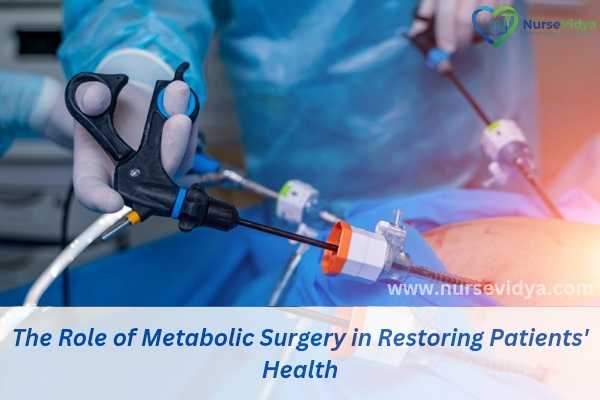
Individuals who regard bariatric surgery as obsolete frequently consider older open techniques. Methods that are robotic-assisted or laparoscopic are now used in practice almost exclusively. Robotic systems that create small incisions allow surgeons to see things in high definition and with greater precision.
Patients usually experience less discomfort, reduced blood loss, and shorter hospital stays. The majority of people go back home after two to three days. The recovery duration has decreased, and complications have become less frequent.
Clinical trials also support these results. According to the findings of the STAMPEDE trial, obese individuals suffering from type 2 diabetes experienced superior weight loss and glycemic control after undergoing bariatric surgery compared to those who relied solely on medication.
Patients were followed for twelve years in the ARMMS-T2D study. Individuals who underwent surgery were able to reduce their body weight by approximately 20 percent and manage their diabetes with a reduced amount of medication. These benefits extended to patients who were moderately overweight, not only severe cases.
Enhancements in General Health
Shedding pounds is merely one of the advantages. Usually, blood pressure decreases. Sleep apnea typically resolves entirely. Your joint pain disappears. Hormonal conditions like polycystic ovarian syndrome often exhibit improvement. Data accumulated over a long period point to a reduced risk of certain cancers, such as breast and colorectal cancers.
Nutritional deficiencies, particularly of iron and vitamin B12, can occur, but they respond effectively to supplements and careful monitoring. Consuming sufficient protein and working out consistently aids in preserving muscle mass.
Carrying excess weight reduces both lifespan and quality of life. Patients with severe metabolic disease who do not respond well to conventional treatment are provided with a structured medical path through bariatric surgery. When performed by adept surgical teams using contemporary techniques and supplemented with regular post-operative care, the procedure can restore health and enable individuals to resume their usual activities. For many patients, it provides stability following years of deteriorating metabolic control.