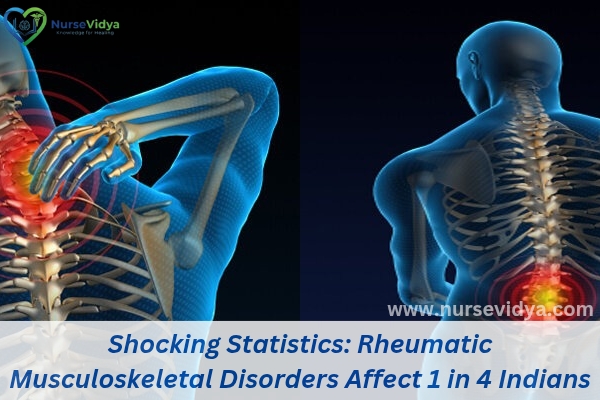
Shocking Statistics: Rheumatic Musculoskeletal Disorders Affect 1 in 4 Indians
Rheumatological diseases are emerging as a major health issue
In India, impacting around 25% of the population. These disorders, resulting from immune system dysfunctions, result in inflammation, pain, and chronic damage to several organs. Healthcare professionals are becoming increasingly alarmed by the increasing incidence of such cases, especially given the intricate nature of these diseases and their capacity to turn life-threatening without prompt diagnosis and intervention.
The Delhi Rheumatology Association Update 2025 was recently organized at the Holiday Inn in New Delhi, in response to these escalating concerns. Over 220 medical students and doctors from all over the country gathered for this event, which was arranged by Fortis Group of Hospitals. The main goal of this meeting was to close the existing gaps in diagnosing rheumatic diseases and to investigate improved treatment strategies. Centered on the newest treatment methods for autoimmune diseases and the significance of prompt diagnosis, the conference was.
Dr. Bimlesh Dhar Pandey, who is the Director of Rheumatology at Fortis Hospital in Noida, was instrumental to the event and provided invaluable insights into the complexities of autoimmune diseases. Dr. Pandey, with his/her extensive experience in the field, underscored the significance of early diagnosis and thorough treatment plans for improving patient outcomes. His presentation centered on the management of different autoimmune disorders, such as rheumatoid arthritis, lupus, and psoriatic arthritis, which are becoming more prevalent in India's population, especially among women of reproductive age.
Dr. Pandey notes that autoimmune diseases often present symptoms such as chronic fever, weight loss without explanation, and joint pain—symptoms that are often overlooked as unrelated problems. He emphasized that conditions like psoriasis, which are frequently thought of as simple skin disorders, can also signify psoriatic arthritis—a serious affliction that impacts the joints. In addition, he clarified that conditions such as rheumatoid arthritis and lupus can lead to irreversible joint deformities if they are not diagnosed and treated promptly.
Dr. Pandey emphasizes the importance of detecting these diseases early on, with the goal of providing prompt interventions that can greatly enhance patients' quality of life. He also tackled the misunderstandings regarding rheumatic disease treatment, stressing that although a cure does not exist, scientific treatment can aid in symptom management and avert long-term harm. He called upon healthcare professionals to prioritize the education of patients regarding the necessity of lifelong treatment and the significance of following prescribed therapies.
The gathering addressed the rising worry regarding pediatric rheumatology, given that autoimmune diseases are affecting children more and more. Due to prolonged use of medication, these patients are susceptible to complications such as recurrent infections, cardiovascular problems, harm to the kidneys, and gastrointestinal disorders.
Dr. Pandey mentioned environmental and genetic factors that can trigger these diseases, especially in cities with elevated pollution levels. He noted that some viral infections, like chikungunya, have been associated with an increased risk of arthritis development, underscoring the necessity for a national health policy aimed at managing and preventing such outbreaks.
A major challenge addressed during the event was the lag in diagnosis and treatment. Patients frequently turn to alternative therapies, like Ayurveda and homeopathy. This can postpone the pursuit of suitable medical treatment, permitting the disease to advance to a point at which deformities become irreversible. Dr. Pandey advocated for a national strategy aimed at raising awareness and creating a robust referral system, so that patients access specialized care at the appropriate time.
The event ended with a reaffirmed dedication to enhancing rheumatological care nationwide, emphasizing awareness-raising, early detection, and prompt treatment. Dr. Pandey’s input in the discussions underscored the necessity of a multidisciplinary strategy for managing autoimmune diseases, emphasizing the collaboration of rheumatologists, general practitioners, and pediatricians for the benefit of patients.
The Delhi Rheumatology Association Update 2025 was a vital platform for medical professionals to learn about the latest developments in rheumatology, focusing on enhancing patient care, tackling diagnostic challenges, and improving health outcomes for those fighting autoimmune diseases in India.